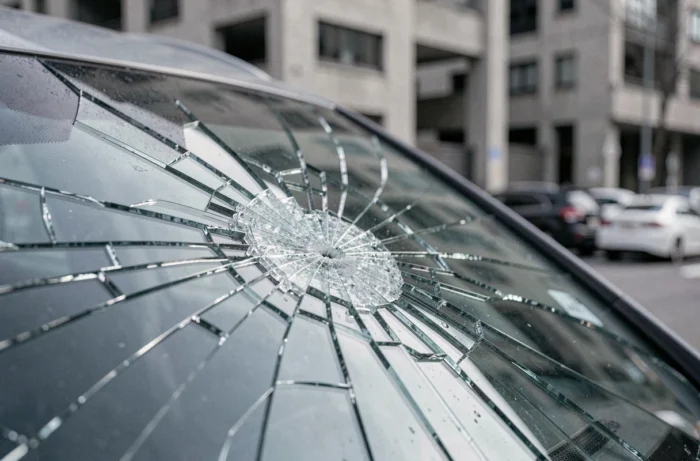
The glass breakage deductible at Macif varies according to the chosen plan, and this variation dramatically changes the out-of-pocket expenses during a glass damage claim. Understanding the contractual mechanisms allows for anticipating the actual cost of a windshield replacement or impact repair, two interventions with very different financial consequences.
ADAS Calibration After Windshield Replacement: The Hidden Cost of Glass Damage
For recent vehicles equipped with driver assistance systems (emergency braking, lane keeping, adaptive cruise control), windshield replacement is no longer limited to installing new glass. A recalibration of the ADAS sensors may be necessary as soon as a camera is positioned behind the windshield.
This recalibration represents an additional cost that does not always appear on the initial estimate. We recommend systematically checking that the line “ADAS recalibration” is included in the estimate and on the final invoice. In case of a dispute, the absence of this document complicates the proof that the intervention was carried out correctly.
Some repairers issue a recalibration certificate separate from the invoice. This document should be kept in the vehicle’s file: it can be useful during a resale, a technical inspection, or a subsequent claim involving a malfunction of the driver assistance systems.
The general conditions of Macif cover glass breakage according to the chosen plan, but the coverage of recalibration depends on its inclusion within the warranty scope. In practice, most approved repairers integrate this service into the direct billing flow with the insurer. Check the details before signing the repair order.
Macif Glass Breakage Deductible by Plans: Variations and Pricing Logic
Macif offers several car insurance plans, from third-party to comprehensive coverage, and each applies a distinct level of Macif glass breakage deductible. The most comprehensive plans feature low deductibles, while intermediate plans impose a higher out-of-pocket expense.

The deductible can drop to just a few dozen euros on high-end plans. Conversely, a standard third-party plan generally has a significantly higher deductible. The gap between the two extremes alone justifies a careful review of the specific terms of the contract.
An often-overlooked point: the deductible applies to replacement, not to impact repair. When an impact is treated before it turns into a crack, the intervention remains minor and the deductible is generally not invoked. An untreated impact that spreads triggers a complete replacement, with a deductible.
- Impact repair: quick intervention, often without a deductible, provided the impact is not in the driver’s line of sight and meets size criteria.
- Windshield replacement: deductible applied according to the plan, with the possibility of direct payment between the approved repairer and Macif (third-party payment for glass).
- Thermal shock that has propagated a crack: classified as replacement, the deductible specified in the contract applies in full.
Third-Party Payment for Glass and Actual Out-of-Pocket Expenses: What “No Upfront Payment” Means
The third-party payment system for glass, common among Macif-approved repairers, allows avoiding the upfront payment of the total intervention amount. The repairer bills the insurer directly. However, “no upfront payment” does not mean “no payment at all”.
The deductible remains due by the insured at the time of the intervention. If the contract specifies a deductible of a few dozen or a few hundred euros, this amount is paid directly to the repairer. Non-covered additional services (water-repellent treatment, specific tint, additional equipment) also add to the out-of-pocket expenses.
We often observe confusion between total free service and the third-party payment mechanism. The distinction is contractual: third-party payment eliminates the upfront payment from the insurer’s side, not the insured’s side. Reviewing the general conditions of Macif Auto on this point avoids unpleasant surprises at the time of the service.
Claim Reporting Deadline and Choice of Repairer: Two Underestimated Levers
Reporting a glass breakage claim to Macif can be done via the mobile app, the website macif.fr, or by phone. The contractual reporting deadline is specified in the general conditions of the auto contract.
The choice of repairer remains free. Macif does not condition coverage on using a specific partner network. The insured can choose any approved repairer, including an independent glazier, as long as they accept the direct billing flow with the insurer.
- Check that the chosen repairer practices third-party payment with Macif, to avoid paying the total upfront and then waiting for reimbursement.
- Request a detailed estimate explicitly mentioning ADAS recalibration if the vehicle is equipped with it.
- Keep the invoice and, if applicable, the recalibration certificate in the vehicle’s file.
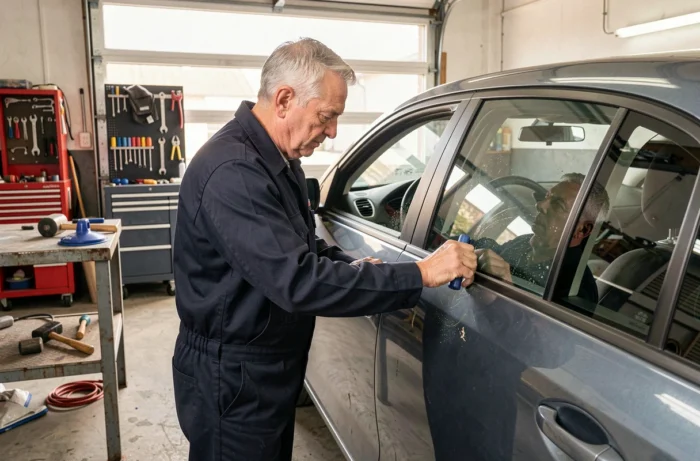
A technical point often overlooked: on a vehicle equipped with athermal or acoustic glass, replacing it with equivalent quality glass may incur additional costs. If the Macif contract provides for a replacement with original quality, this additional cost is normally covered. In an intermediate plan, coverage may be limited to standard glass.
The granularity of Macif’s plans makes reading the specific terms necessary before any glass damage claim. The amount of the deductible, the scope of covered glass, and the terms of third-party payment vary from one plan to another. Acting quickly on an impact, keeping recalibration receipts, and checking the repairer’s compatibility with the Macif flow remain the three reflexes that effectively reduce the cost of a glass breakage claim.