
The class sheet 2026 focuses on several regulatory and practical issues that most mainstream articles overlook. Between the back-to-school circular published in the Official Bulletin on May 7, 2026, the gradual end of the public display of class lists, and the new obligations related to digital technology, the framework has changed on specific points that need to be mastered.
Data protection and the end of class list displays in 2026
The public display of class lists in school hallways is tending to disappear. Several institutions are now replacing this display with individual communication to families, motivated by the protection of students’ personal data.
This evolution is not trivial. It changes the timing of information: families receive the class composition through digital means, often via the ENT or a personalized letter, instead of discovering it collectively on the first day of school. We observe that this practice is becoming widespread without a single binding text, with each academy and institution applying the GDPR according to its own decisions.
For parents, this means they need to regularly check the school’s digital workspace in the days leading up to the start of school. The information sheets sent in advance also serve to inform this targeted communication. We recommend verifying the accuracy of the provided contact details, as an incorrect email address is enough to delay the receipt of information.
Any third-party platform claiming to reveal your child’s class before the official communication from the institution should be regarded with the utmost caution. Fraudulent platforms exploit this legitimate expectation of families every year, as reported by several media outlets and the ministry itself.
Those who wish to understand the allocation mechanism and distribution criteria can consult the complete guide to the class sheet 2026 on Career Trotter, which details the logic behind the formation of class groups.
Back-to-school circular 2026: what changes for assessment and orientation
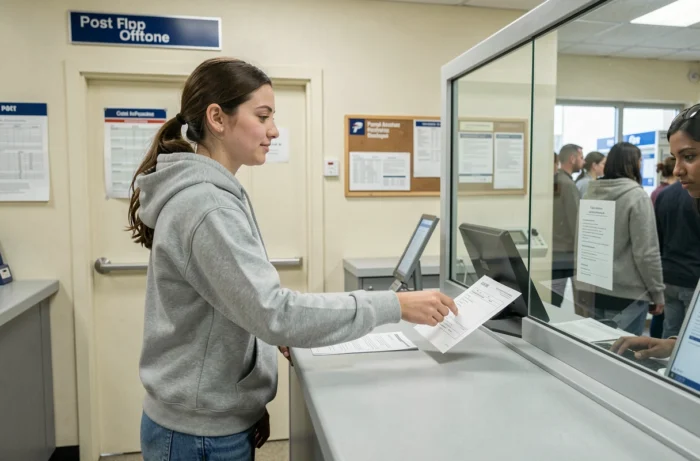
The ministerial text published on May 7, 2026, in the Official Bulletin sets the framework for the 2026-2027 school year. Several points directly affect the class sheet and the way students’ skills are documented.
Accessibility of learning becomes the primary lever for inclusive education. The ministry emphasizes an integrated pedagogical adaptation logic rather than just the formal schooling of students with disabilities. In practice, this translates into additional information in the information sheets regarding the specific needs of the student.
On the orientation side, the class sheet remains the pivotal document for the class council. Competency assessments, grades, and comments feed into the orientation decisions at the end of the cycle. The circular strengthens the role of dialogue with families in this process, which implies that the information on the sheet must be up-to-date and complete.
Points to check on the information sheet
- The contact details of the legal guardians (address, phone, email) must match the data recorded on the school’s ENT, or they risk not receiving individual communications.
- Information related to the student’s health (allergies, PAI, accommodations) conditions the support from the first day. An incomplete sheet can delay the implementation of a protocol.
- The mention of siblings enrolled in the same institution remains a criterion considered by some teaching teams when forming classes.
- Family status and exit permissions must be accurately provided, as they engage the institution’s responsibility.
Extension of the mobile phone ban to high school: impact on the 2026 school year
The report from the Council of Ministers on August 31, 2026, confirms the extension of the mobile phone ban to high school. French students will now have a complete education without a phone, from primary school to the final year.
This measure has a direct impact on the class sheet and communication between the institution and families. Without a phone accessible during the day, the student can no longer consult the ENT on their personal device during class hours. Notifications regarding a class change or administrative information will therefore pass exclusively through out-of-school hours or through parents.
We recommend that families activate ENT notifications on at least one parental device to avoid missing information regarding class composition or assessments.
Protection of staff and student reassignment
The same Council of Ministers on August 31, 2026, announces a strengthening of the protection of school staff. A procedure now allows for the reassignment of a student when their parents seriously threaten a member of the educational staff.
This provision may lead to a class change during the year, or even a change of institution. The class sheet is therefore no longer a fixed document at the start of the school year: it can evolve if such a situation arises. Management teams have an additional lever to protect their staff while ensuring the continuity of the education of the affected student.

Class sheet 2026: distinguishing reliable sources from scams
Every year, websites and social media accounts promise to reveal class compositions before the official start of school. These platforms collect personal data (name, first name, institution) without any guarantee of reliability.
- No third-party site has access to the databases of educational institutions. Class lists are created by teaching teams and transmitted only through official channels.
- The Ministry of National Education and several media outlets have labeled these sites as fraudulent. Sharing personal information on these platforms exposes individuals to phishing or identity theft.
- The only reliable source remains the institution’s ENT or direct communication from the administration.
The class sheet 2026 is consulted exclusively through the official channels of the institution. Any other access route poses a risk to the personal data of the student and their family. The regulatory changes this school year reinforce this logic of a secure circuit, both for administrative information and for the protection of individuals.