
The French regulations do not literally impose double glazing. No legal text contains the phrase “double glazing mandatory.” What exists is a set of thermal performance thresholds, rental decency criteria, and construction standards that, when combined, make single glazing almost unusable in most situations. Understanding this framework allows you to know if your current windows pose a regulatory problem, and which one exactly.
Uw Coefficient and Gas Layer: What Your Windows Reveal Without Dismantling
Before consulting a surveyor or a carpenter, you can obtain reliable clues by yourself. The first reflex is to look for the nameplate or the manufacturer’s label, often visible on the edge of the frame or in the spacer of the glazing. This label mentions the Uw coefficient expressed in W/m².K, which measures the thermal transmission of the complete window (glazing plus frame).
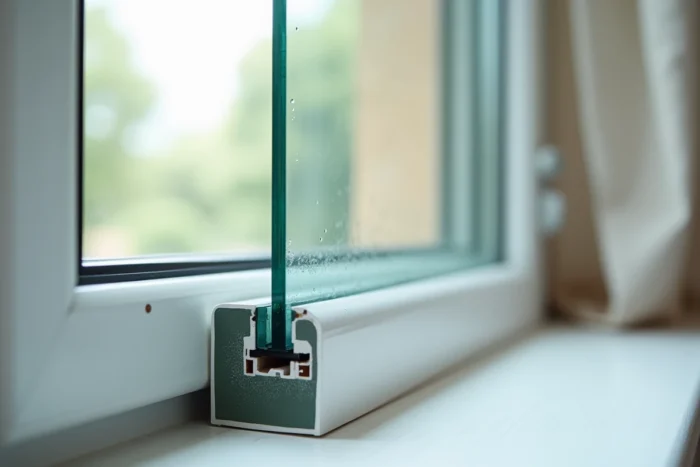
A high Uw (beyond 2.5 or 3 W/m².K) almost always indicates single glazing or old double glazing without an argon gas layer. A Uw of less than or equal to 1.3 W/m².K corresponds to the requirements set by recent thermal regulations.
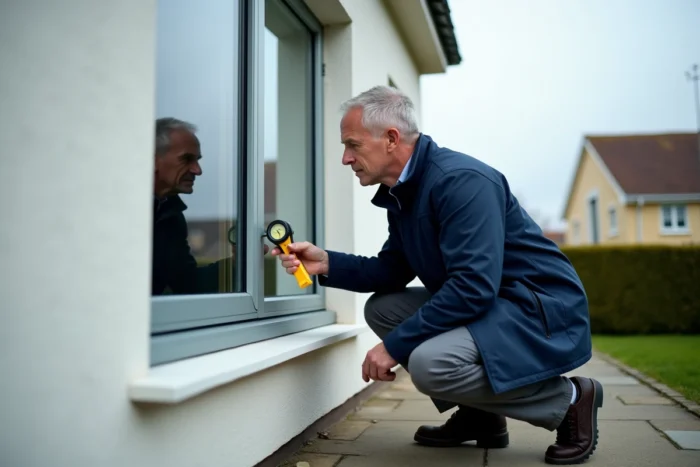
If the label has disappeared, a quick test with a lighter in front of the glass allows you to count the reflections: two reflections indicate single glazing, four indicate double glazing. The presence of a slightly colored reflection (purple or greenish) reveals a low emissivity coating, a sign of reinforced insulation glazing.
To check the obligation of double glazing in your specific situation, you need to cross-reference the type of glazing identified with the regulatory context that applies to your housing: new construction, renovation, rental, or sale.
RE2020 and RT Element by Element: Two Frameworks, Two Distinct Logics
In new construction, RE2020 does not mention double glazing as such. It sets overall goals for energy performance, summer comfort, and carbon balance over fifty years. Single glazing does not allow reaching these thresholds, which amounts to an indirect obligation. For extensions of single-family homes, RE2020 has been mandatory since January 1, 2023, with three levels of requirements depending on the created area.
In renovation, the “RT element by element” applies. When you replace an existing window, the new product must meet a minimum thermal performance threshold. This threshold renders single glazing non-compliant but does not impose a specific type of double glazing. A 4/16/4 argon-filled glazing and triple glazing both meet the standard, provided that the overall Uw is respected.
The Trap of Overall Performance vs. Glazing Performance Alone
The Uw coefficient concerns the entire window. Excellent double glazing mounted on a low-quality PVC frame or an old warped wooden frame can show a mediocre Uw. Conversely, a thermal break aluminum frame partially compensates for less efficient glazing. Surveyors measure the overall Uw, not the glazing alone. It is on this value that compliance relies.
Rental Housing: The DPE as a Concrete Trigger
The most frequent confusion concerns rental properties. Double glazing is not “mandatory since 2022” in the strict sense. What has changed is the gradual strengthening of energy decency criteria related to the energy performance diagnosis (DPE). The Energy-Climate Law of 2019 set maximum consumption thresholds for a property to remain rentable.
Properties rated G are gradually prohibited from being rented, followed by those rated F and then E according to a staggered schedule. A property equipped with single glazing almost systematically receives a degraded score on the DPE, which can render it non-compliant with decency criteria.
The landlord is not legally obligated to install double glazing, but they are required to provide a decent property in terms of energy. In practice, replacing single glazing with double glazing often constitutes the most direct lever to improve the DPE score.
- Check the current DPE class of your property: if it is F or G, replacing single-glazed windows becomes a regulatory priority to maintain the right to rent.
- Request the complete DPE report, not just the label: it details the losses by category, and the “windows” category includes a quantified estimate of thermal losses.
- Keep the invoices and technical sheets of the new joinery: they serve as proof of compliance in case of disputes with a tenant or during an inspection.
ABF Zones and Urban Planning Constraints: When the Town Hall Complicates Replacement
One aspect rarely addressed concerns buildings located in the protection perimeter of historical monuments or in an area subject to the opinion of the Architect of the Buildings of France (ABF). In these sectors, the replacement of windows requires prior authorization which may impose constraints on materials, colors, and the profile of the joinery.
Some ABFs refuse white PVC frames or require identical wooden uprights, which modifies the budget and the choice of glazing. The owner may sometimes have to opt for thin double glazing compatible with the original rebates, which has a Uw slightly higher than that of standard double glazing.
Practices vary by municipality: some accept adaptations, while others apply a strict interpretation of heritage regulations. Before any replacement, a prior declaration of works at the town hall remains the first step not to be overlooked.
Financial Aid and Eco-PTZ: Glazing as an Eligibility Criterion
MaPrimeRénov’ and the eco-PTZ condition funding on compliance with performance thresholds. For windows, this means a maximum Uw that effectively excludes single glazing. The aid is only granted if the installed product meets the required threshold and if the craftsman is RGE certified (Recognized Guarantor of the Environment).
Two common mistakes occur. The first: ordering the windows before submitting the aid application. The second: choosing a non-RGE craftsman, which nullifies eligibility even if the product is compliant. The quote must mention the Uw of each window and the CEKAL certification or equivalent of the glazing. Without these mentions, the application is rejected.
Thus, verifying the compliance of your windows is not limited to a visual test. It depends on the context (new, renovation, rental, sale), the overall Uw coefficient of the joinery, the geographical area, and local urban planning constraints. Single glazing is not prohibited by any text, but it has become, through the accumulation of regulatory thresholds, an installation that exposes the owner to rental sanctions, ineligibility for aid, and a depreciation of the property upon resale.