The weddings celebrated this year are no longer like those from three years ago. Personalization is pushing couples to rethink every detail, from the format of the celebration to the choice of vendors. The wedding trends for 2026 reflect a shift towards longer celebrations, new planning tools, and increased demands regarding the environmental impact of each budget item.
Artificial Intelligence in Wedding Planning: Beyond a Gadget
AI is no longer limited to generating mood boards on Pinterest. According to the Zola 2026 First Look Report, couples are using AI for backward planning, budget tracking, and drafting communications addressed to guests. The progress compared to 2023 is described as significant.
Tools are now available to compare vendor quotes, automate RSVP follow-ups, or propose optimized seating plans based on declared affinities. The time savings are real, but the quality of suggestions remains uneven: an algorithm still does not capture family tensions or undeclared food allergies.
This trend is driven by connected couples, often urban. To keep up with the news from Le Blog Mariage on this topic and other updates, regular monitoring helps distinguish reliable tools from mere announcements.
Weekend Weddings: What This Format Changes for Vendors and Guests
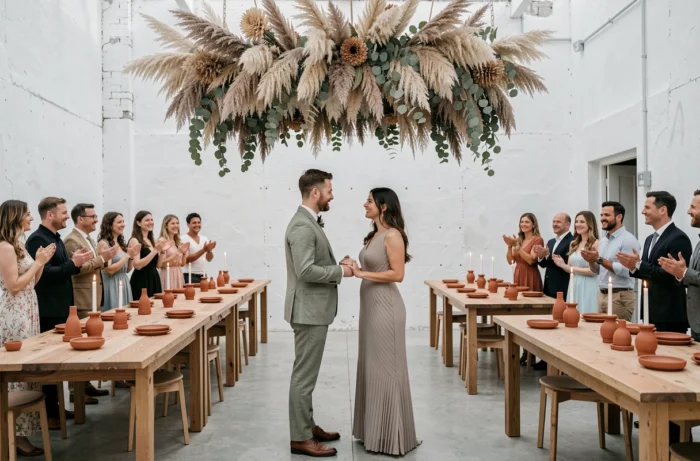
The one-day wedding is losing ground. More and more couples are designing a journey over two or three days: welcome dinner the night before, ceremony and reception on the big day, closing brunch the next day. This format, documented by several industry summaries for 2026, profoundly changes logistics.
The Impact on the Venue
A weekend wedding requires a venue that can be privatized for several days. Estates that offer on-site accommodation are becoming more attractive. In contrast, urban venues rented by the day are losing competitiveness in light of this demand.
The budget is also affected. Multiplying meals and entertainment over two days does not double the bill, but the catering cost increases significantly compared to a traditional format. Couples often make trade-offs by reducing the number of guests to maintain a comparable overall budget.
What Guests Experience
The weekend format creates an immersive experience, but it also imposes constraints: taking a day off, arranging accommodation, and needing multiple outfits. For guests who are geographically distant, the logistical and financial burden is not insignificant.
Sustainability and Weddings: Selection Criteria, No Longer Just a Decorative Theme
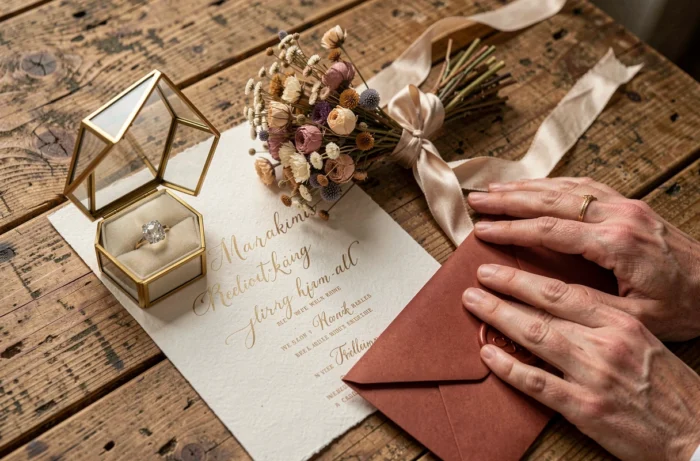
The eco-responsible dimension is no longer limited to a dried flower arch. A summary published in September 2026, based on Wezoree research regarding Generation Z’s expectations, shows that sustainability is becoming a selection criterion for vendors, on par with style or price.
The relevant areas are concrete:
- Local and seasonal floral sourcing, which reduces transportation and ensures superior freshness compared to imported flowers
- Reusable or compostable tableware, replacing disposable dishes, including for outdoor cocktails
- Menus built around seasonal products, with a reduction in animal proteins not out of activism, but in line with short supply chains
- Examination of the environmental practices of the venue, with some estates now displaying their carbon footprint or certifications
The available data does not allow for precise measurement of the proportion of couples who apply these criteria from start to finish. The gap between stated intentions and final choices remains a blind spot in market studies. Some vendors report that the eco-responsible demand mainly concerns visible elements (decoration, flowers) and less so on high-impact areas (guest transportation, venue energy).
Phone-Free Ceremonies and Sensory Experiences: The Quest for Presence
The unplugged wedding, where guests are asked to put away their phones during the ceremony, is gaining traction. The stated goal: to promote real presence rather than content capture. A professional photographer covers the event, and the images are shared afterward.
This trend is part of a broader movement towards sensory experiences designed as a whole. Mobile bars offering signature cocktails, olfactory workshops, lounge areas with curated soundscapes: the wedding of 2026 borrows from the codes of high-end events.
Dress Style Follows This Logic
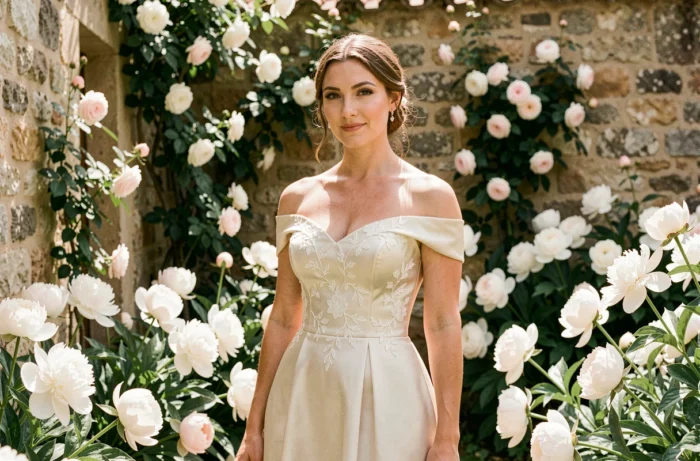
The wedding dress also reflects this search for uniqueness. Minimalist cuts coexist with more theatrical pieces, with no single style dominating. Customization of the outfit takes precedence over following a unique fashion trend. Accessories, headpieces, or capes allow for transforming a simple dress into an evening outfit between the ceremony and the reception.
In terms of color palette, sage green and earthy tones remain present, combined with natural materials like linen or wood. Decorations oscillate between a clean minimalist style and more elaborate atmospheres, inspired by a reimagined rococo style.
This year’s wedding is defined less by a dominant aesthetic than by the couples’ ability to assemble disparate elements into a coherent event. The vendors who stand out are those who support this personalization without imposing a pre-established formula, adapting each item to the couple’s real priorities rather than a fixed service catalog.